Ice Dam Removal in Kitsap County, WA
Ice dam removal services focus on addressing the buildup of ice that forms along the edges of roofs during winter months. These dams occur when melting snow refreezes at the roof’s edge, preventing proper drainage and leading to water backing up under shingles, which can cause leaks and water damage inside the property. The service typically involves safely removing the ice buildup to restore proper water flow and protect the roof and interior from potential damage. Projects may vary from clearing small sections of ice to handling larger, more extensive ice dam formations on residential roofs.
Homeowners considering ice dam removal should understand the importance of addressing these issues promptly to prevent further damage. It’s helpful to know the extent of the ice buildup, the roof type, and any existing water intrusion issues before requesting service. Proper assessment can ensure the right techniques are used for safe and effective removal, minimizing the risk of damage to roofing materials or property during the process.
Many property owners in Kitsap County, WA look into Ice Dam Removal for repairs, replacements, upgrades, and appearance-related improvements.
Understanding Ice Dams
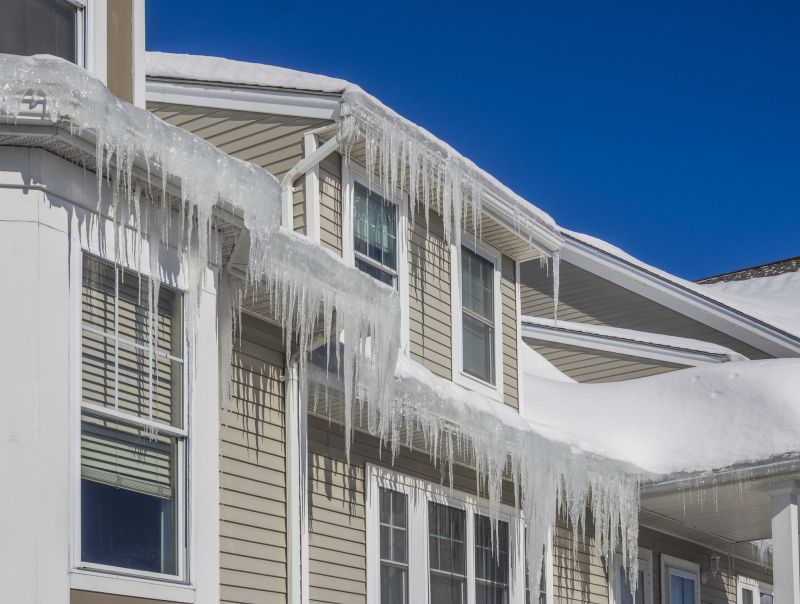
Ice dams form when melting snow refreezes at the roof edge, causing water backup and potential damage.
Signs Of Ice Dam Problems
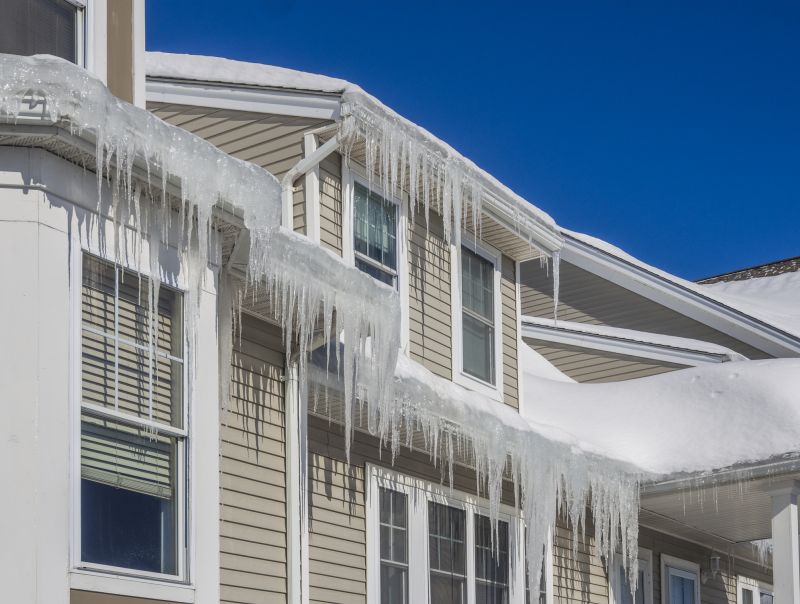
Indicators include water leaks inside the attic, stained ceilings, and the presence of ice buildup along roof edges.
Ice Dam Removal Options
Professional removal involves safe techniques to eliminate ice buildup and prevent future issues for homes in kitsap county.
Ice Dam Removal in Kitsap County, WA
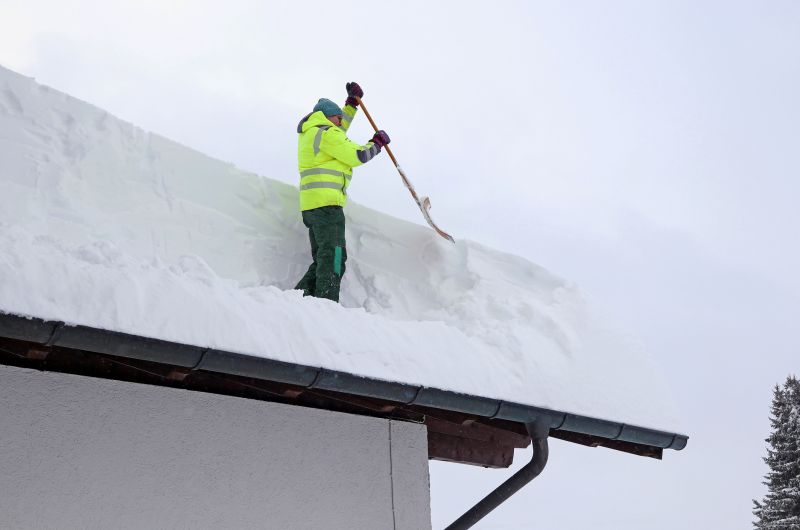
Ice dam removal services focus on addressing the buildup of ice that forms along the edges of roofs during winter months. These dams occur when melting snow refreezes at the roof’s edge, preventing proper drainage and leading to water backing up under shingles, which can cause leaks and water damage inside the property. The service typically involves safely removing the ice buildup to restore proper water flow and protect the roof and interior from potential damage. Projects may vary from clearing small sections of ice to handling larger, more extensive ice dam formations on residential roofs.
Homeowners considering ice dam removal should understand the importance of addressing these issues promptly to prevent further damage. It’s helpful to know the extent of the ice buildup, the roof type, and any existing water intrusion issues before requesting service. Proper assessment can ensure the right techniques are used for safe and effective removal, minimizing the risk of damage to roofing materials or property during the process.
Many property owners in Kitsap County, WA look into Ice Dam Removal for repairs, replacements, upgrades, and appearance-related improvements.
Common Ice Dam Removal Jobs
Ice Dam Removal - prevents water from backing up and causing roof leaks.
Roof Ice Dam Clearing - safely removes ice buildup along roof edges.
Gutter Ice Removal - clears ice from gutters to ensure proper drainage.
Ice Dam Prevention - addresses causes to reduce future ice dam formation.
Snow and Ice Removal - reduces weight and risk of ice dam development.
Roof Inspection - identifies potential ice dam issues before they worsen.

Ice Dam Removal Questions
What is an ice dam? An ice dam is a buildup of ice along the edge of a roof that can block melting snow from draining properly.
Why should ice dams be removed? Removing ice dams helps prevent water from seeping into the roof and causing damage to the interior and structure.
How are ice dams typically removed? Ice dams are usually removed using specialized tools and techniques to safely break and clear the ice buildup.
When is the best time for ice dam removal? The best time for removal is during winter when ice dams are forming or have already developed, before they cause leaks or damage.
Request Ice Dam Removal in Kitsap County, WA
Use the quote form on this page to share the basics of your project and request more information for the type of work you need.